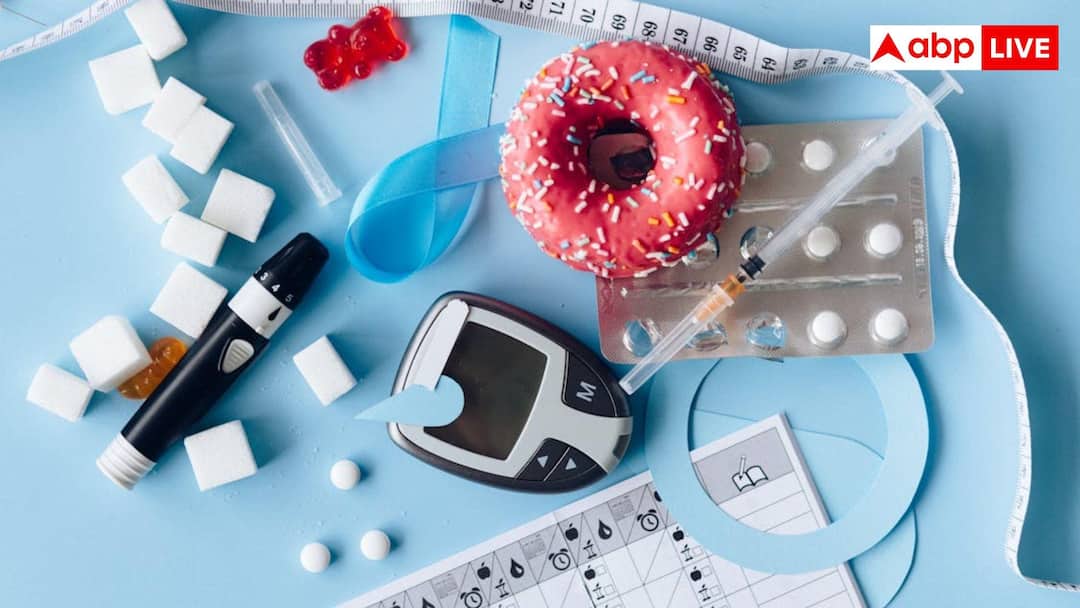

Why Eating Every Two Hours May Not Be Healthy: For many years, people were told that eating small meals every two-three hours was the best way to stay fit, control weight and maintain energy throughout the day. People going to office used to carry snack boxes with them, people going to the gym used to eat protein bars between meetings and gradually healthy snacking became a lifestyle. It was believed that if the body continues to get small amounts of energy, the metabolism will remain active and the risk of weight gain will be reduced.
Is eating frequently really beneficial?
But now nutrition science is looking at this habit from a new perspective. Experts say that eating frequently is not always beneficial for the body, especially when people do not pay attention to how many calories they are taking in a day. The problem is not just the frequency of eating, but also the things that people eat during snacking. Packaged snacks, biscuits, sweet drinks and processed foods have now become a daily habit of people.
Does the body get energy by eating continuously?
According to DT Parul Yadav, Chief Dietician, Marengo Asia Hospitals, Gurugram, earlier it was believed that eating small meals frequently helps in losing weight and maintaining energy, but new research is indicating that eating continuously may not be as good for the body as was earlier thought.
Why does weight increase even after eating healthy?
Experts say that eating frequently can increase calories rapidly without realizing it. Biscuits with tea, chips at work, evening coffee or a protein bar after the gym may not seem like a complete meal, but they add hundreds of extra calories throughout the day. This is the reason why many people complain of weight gain despite trying to eat healthy. Experts say that by continuously eating something or the other, people forget to differentiate between real hunger and habit. Many times people keep eating not because of hunger, but because of boredom, stress or just habit.
Read this also- Scary truth of Corona! Deaths were three times more than reported, WHO figures shocked
What is the effect on our body?
It also affects the insulin level in the body. Whenever we eat food, especially sweet or refined things, blood sugar increases and the body releases insulin. If meals are eaten frequently throughout the day, insulin can remain consistently high. According to research, if this happens for a long time, the body’s ability to burn fat can be affected and the risk of insulin resistance can increase. Experts also believe that the digestive system also needs rest. Eating continuously can cause problems like bloating, heaviness and loss of appetite. Instead, a balanced diet rich in protein, fiber, healthy fats and complex carbohydrates helps in keeping you full for longer periods.
Read this also – Gestational Diabetes Risk: Diabetes ends after pregnancy, but these symptoms will make you a heart-thyroid patient, do not ignore
Disclaimer: This information is based on research studies and expert opinion. Do not consider this as a substitute for medical advice. Before adopting any new activity or exercise, please consult your doctor or relevant specialist.
Check out below Health Tools-
Calculate Your Body Mass Index (BMI)
Calculate The Age Through Age Calculator